What Is a VPN and How Does It Work? The Ultimate 2026 Guide
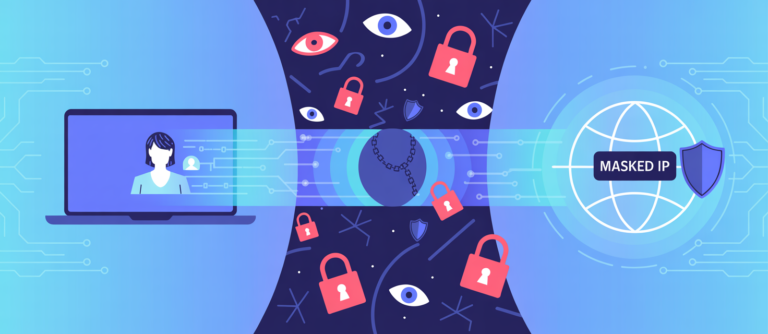
In a world where our online privacy is being threatened all the time, the number one question on any internet user’s mind has to be: what is a vpn and how does it work just that way?. As we get deeper into 2026, digital tracking is getting trickier for everyday devices and you want a VPN on more than just your PC. Consumer Reports digital safety experts explain that a VPN is the best and first place to start in protecting your online information from hackers as well as your Internet Service Provider (ISP) itself.
1. Defining the Basics: What Is a VPN and How Does It Work?
At a basic level, the very short explanation is that it’s a service which makes your device (whether that device is a smartphone, laptop or tablet) behave as though it’s on another network. To better explain what is a VPN and how does it work, let’s say you are driving in your car on a large public highway.
Without a VPN, your car is see-through; anyone can tell who’s driving it, where you’re starting and the exact place you’re headed to. When you connect to a VPN, it’s like your are on a private switch – most powerful brand of them all. You are now inside a tinted armored van and in the eyes of the highway world you just vanish out of highway world and instantly appear at your destination.
The Role of Encryption
Encryption is the “armor” on that van. What is a vpn and how does it work, in other words you are wanting to know first of all what math has to do with it. The VPN software scrambles your data — your emails, your passwords, pretty much anything you hit enter after typing in an address or clicking on a link — into code it would take the world’s most powerful supercomputers more than a billion years to crack.
IP Address Masking
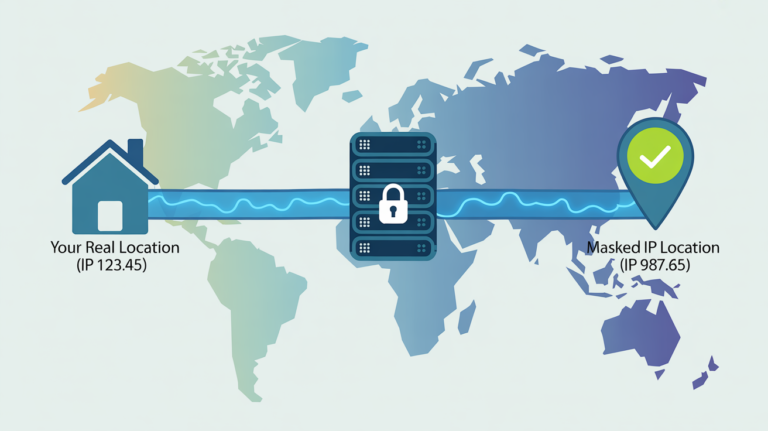
Every gadget has an IP address, which serves as a digital home address. This address is masked by a VPN which routes your traffic through one of its own servers. So if you’re in New York, but the server you sign into is in London, sites you visit will think you’re in the U.K.
2. The Technical Blueprint: What Is a VPN and How Does It Work Step-by-Step?
For people who like to pay attention to what goes on ‘under the hood’ the router for vpn process works in four separate steps every time they connect and click on something.
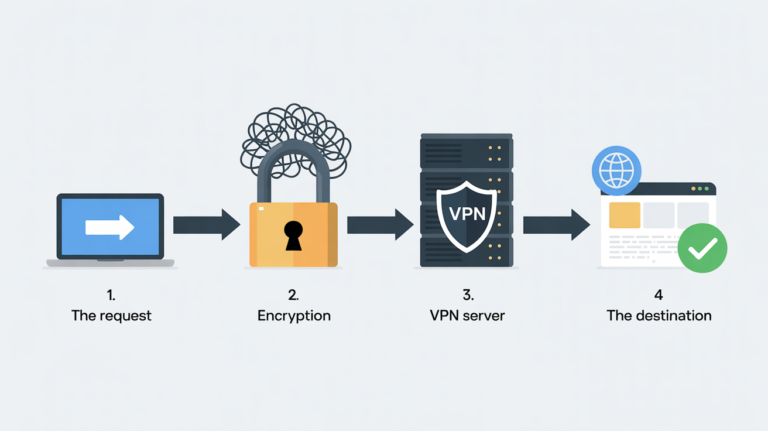
Step 1: The Request and First Encryption
The second you enter a URL into your browser, your VPN client on device has that information already intercepted. The messages are encrypted before travelling over your Wi-Fi or cellular connection. This is important as it prevents you from “sniffed” attacks in the source itself.
Step 2: Traveling Through the ISP
The “packet” of encrypted data will go to your I.S.P. Because of the encryption, your I.S.P. knows that you are using a VPN but cannot see which website or topic you are visiting; it also can’t see what you are doing there or whether your visit is part of a pattern. That way, ISPs can’t sell your browsing history to advertisers.
Step 3: The Handshake with the VPN Server
Here comes your data, to the VPN server. The server is an intermediary. It does so by decrypting that data to determine where it needs to go, but it also removes your private IP address and replaces the location-based server’s IP address.
Step 4: Arriving at the Destination
Your request is redirected by the VPN server to the website. The website is receiving a request from the secure V.P.N. server, not your home. It can be sent again to the VPN server, which decrypts it and sends it back to your user.
3. Advanced 2026 Features: What Is a VPN and How Does It Work Today?
But in 2026, a tunnel alone will only take you so far. AI-induced tracking is no match for modern VPNs: Today’s VPNs have numerous layers of security to counteract AI-driven tracking
Split Tunneling
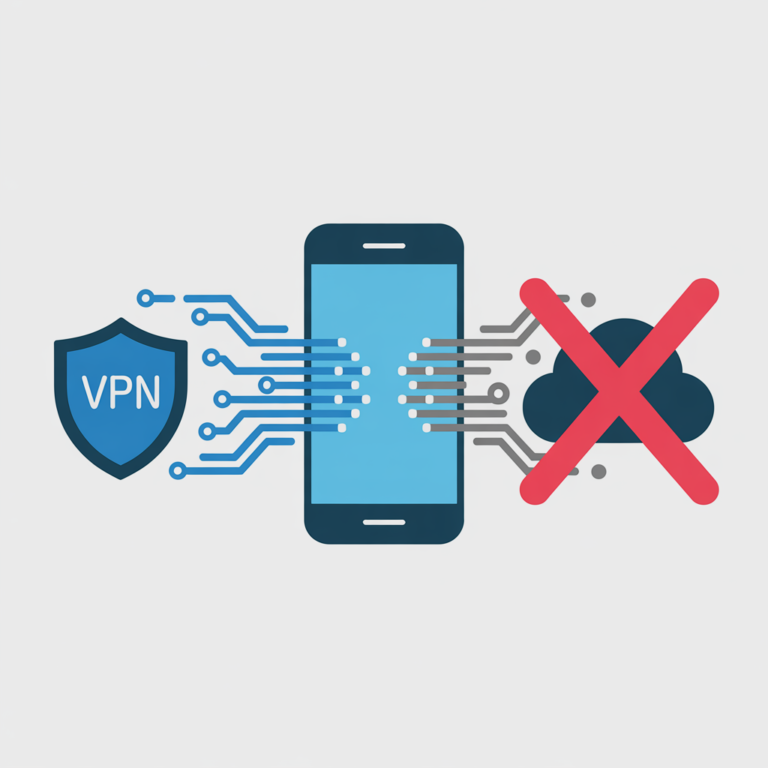
This enables you to decide which apps are put through the VPN and which remain on the regular internet. For example, you could encrypt your banking app while letting the gaming app run on normal for maximum speeds.
The Kill Switch
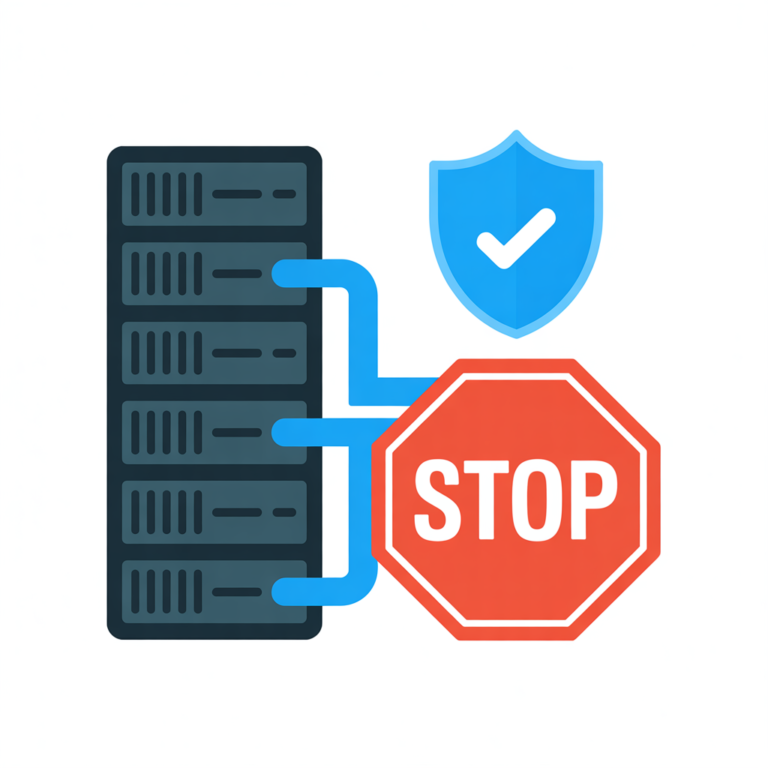
If your internet flickers and the connection to the VPN is cut for a second? If you didn’t have a Kill Switch, your live information would leak at once. What They Do Have A Kill Switch will kill your internet connection if the VPN connection goes down, so you never accidentally get exposed.
Multi-Hop (Double VPN)
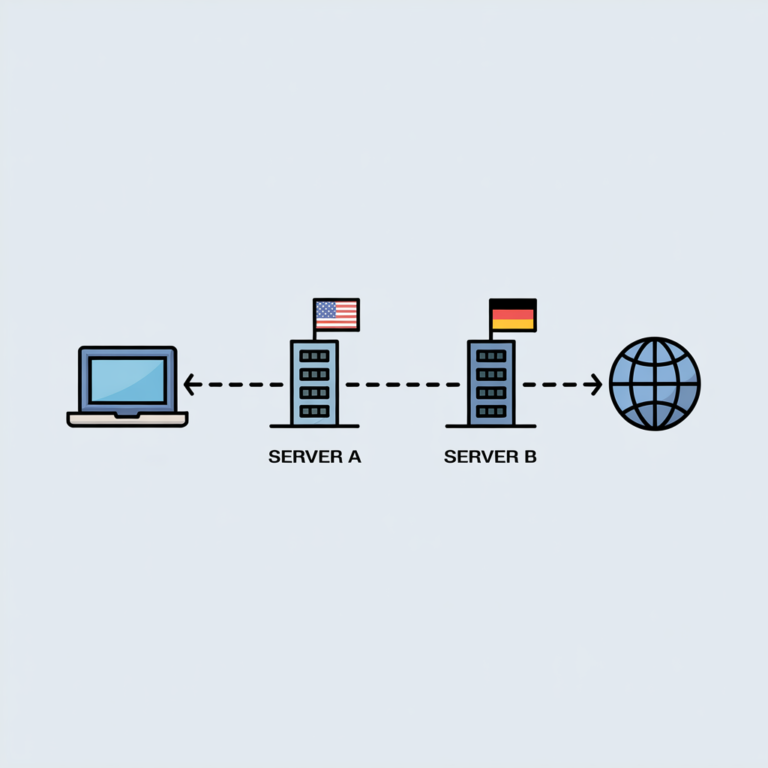
Your traffic can even be ‘double hop’ which means that they’re routed through two servers in two different countries for maximum security. This makes it virtually impossible for anyone to trace the data back to your original location.
4. Why Beginners Must Know What Is a VPN and How Does It Work
You may be inclined to argue I have nothing to hide, but in 2026 privacy is not about secrecy, it’s about protection. Understanding What Is a VPN and How Does It Work in three important situations:
Public Wi-Fi Security
We all know how insecure free Wi-Fi at coffee shops or airports can be. Hackers routinely create “Evil Twin” hotspots under the same name as the shop. If you join, they can see you type. With a VPN, they can’t even get that far—your data is securely transmitted to your company network or your local device before it ever reaches the Wi-Fi hotspot.
Price Discrimination
Were you aware that a few airlines and hotels will display higher prices depending on where you are or your browsing history? When you connect to a VPN and change your location, you may also be able to see much lower prices identical flights.
Avoiding Bandwidth Throttling
(At that point, some ISPs may begin to slow your connection if they determine that you’re streaming HD video or gaming.) Because a VPN obscures your activity, your ISP won’t be able to “throttle” what you are doing. Frequently this results in more even speeds.
5. Summary Table: VPN Essentials at a Glance
| Factor | Standard Connection | VPN Connection |
|---|---|---|
| Visibility | ISP can see every site you visit | ISP sees only "encrypted traffic" |
| IP Address | Your actual home/mobile IP | A masked, anonymous IP |
| Security | Vulnerable to public Wi-Fi hacks | Protected by 256-bit encryption |
| Access | Restricted by geo-blocks | Bypasses local censorship |
Frequently Asked Questions (FAQ)
A VPN, or Virtual Private Network, is a service that creates a direct connection between your device and another network, where it passes information that’s encrypted. It obscures your actual location (IP address) and encrypts the information about you so that hackers, advertisers — even your internet service provider — can’t tell what you are doing online.
Usually, a VPN can slows down your speed somewhat That’s because it takes time to encrypt your data and send it to a server in another part of the world. However, as of 2026, many new protocols such as WireGuard ensure that this slowdown isn’t a noticeable one. In fact a VPN may speed up your connection if your internet service provider was previously “throttling” bandwidth for certain activities such as streaming.
Generally, no. Most free VPNs do not have good security features and even earn money at the cost of your privacy as they sell your browsing data prefer third parties, which is the content a VPN should prevent in the first place. If you’re not paying for a product, your data often is the product. Its best to stick with a reputable, paid one that has a proven “no-logs” policy.
Yes, VPNs are completely legal in most countries, including the US, UK, and Europe – and anywhere else for that matter. Except, you know… illegal stuff. That said, countries such as China, Russia and the UAE place significant limits on or outlaw the use of unapproved VPNs.
Nothing can turn you instantly invisible. It will make you look as if you are browsing from another location, but your IP and all of your traffic also could be monitored when logging into your personal social media accounts or falling for a phishing scam. For even better protection, use a VPN, in conjunction with other security practices like two-factor authentication.
Verdict: Understanding What Is a VPN and How Does It Work is Your Digital Right
In 2026, your information is a valuable commodity that companies are eager to steal. Now since now you have known what is a vpn and how does it work, the decision to be private or not is all yours! By using a Good VPN, you’re not just using an app, but reclaiming your right to privacy and anonymity on the internet!
From the Editors
The internet has become an essential part of everyday life, but it also introduces new challenges related to privacy, tracking, and digital security. CyberPrivacyGuide focuses on explaining these topics in clear, accessible language to help readers understand how online systems collect data and what risks may arise.
Our editorial approach emphasizes accuracy, neutrality, and transparency so users can make informed decisions about their digital activity.
Transparency Note
In the future, we may review privacy tools and services. Any such content will remain independent, objective, and transparent.
© 2026 CyberPrivacyGuide.com All rights reserved.