Is Using a VPN Legal? Everything You Need to Know in 2026
In 2026, privacy issues are at an all-time high, and internet users everywhere are asking the question: is it legal to use a vpn? In addition to being essential tools in keeping your data secure and retaining your anonymity, the legalities of Virtual Private Networks differ greatly from country to country. Most democratic countries have laws that protect your right to digital privacy, though at Electronic Frontier Foundation (EFF), legal experts stress that the question of is using a vpn legal doesn’t always have an easy “yes” or “no” answer.
1. The Short Answer: Is Using a VPN Legal in Most Countries?
The answer, overwhelmingly in most of the world, including the United States, Canada, Britain and across most of Europe Is Yes. In these parts of the world, a VPN is considered simply as one business security (and personal privacy) tool.
The Standard of Privacy
Most regulators understand that companies need VPNs to permit employees to log into their company servers in a secure manner. It is precisely because of this a ban on the technology would be economically suicidal. If you are visiting from a country that promotes open internet, is using a vpn legal should not be much of an issue for the average law abiding citizen.
2. When the Answer Changes: Countries Where VPNs are Restricted
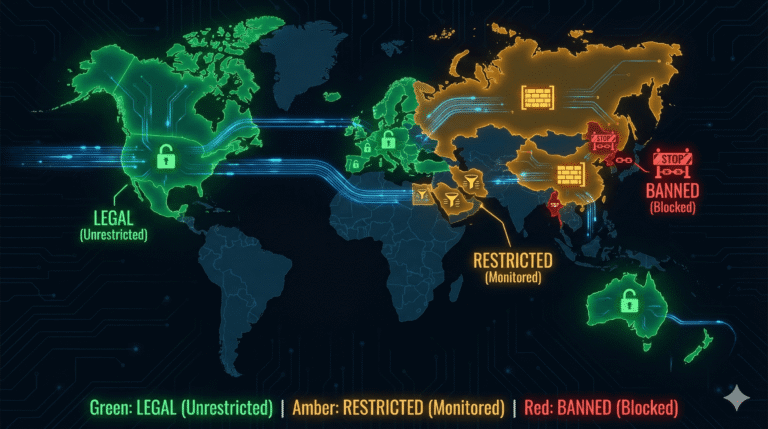
While there’s no judgment on the technology itself, some regimes see VPN anonymity as a national security or censorship issue. While you’re on the road, be sure to ask yourself: is using a VPN legal in my current location?
The "Banned" List
There are some countries in 2026 that flat out ban non government approved Vpns. These typically include:
- North Korea: Extremely limited access to the internet; VPNs are completely illegal.
- Belarus: All forms of circumvention tools are illegal.
- Turkmenistan: Extensive monitoring and bans on nearly all privacy tools.
The "Gray Area" Countries
In China, Russia and the UAE is using a vpn legal becomes an even trickier question. In some of these locations, you might only be able to use the VPNs that have been registered and approved by the government. These “approved” VPNs are often backdoored for the state making privacy kind of pointless.
3. Legal vs. Illegal Activity: The Important Distinction
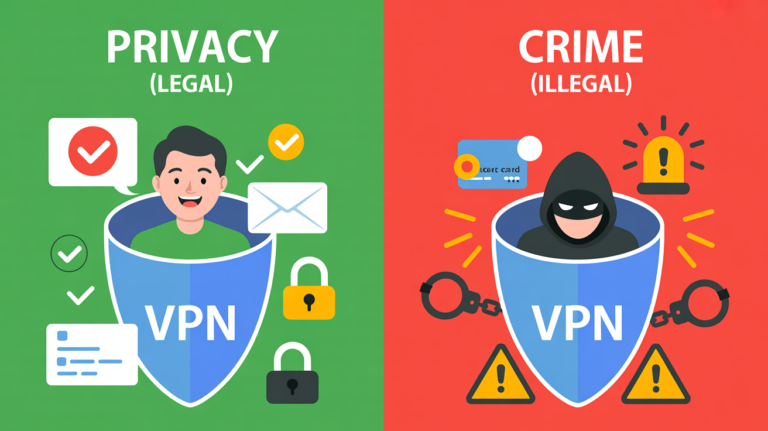
One of the most common false beliefs about whether or not is using a vpn legal is that the VPN serves as a “get out of jail free” card. This is false.
A VPN is Not an Excuse for Criminal Activity
If an activity is criminal without a VPN, it’s still illegal with one. This includes:
- Cyberbullying and Harassment: Disguising your IP does not make you exempt from harassment.
- Belarus: Hacking: Using a VPN to gain unauthorized access to systems is a federal crime in most nations.
- Purchase and Sale of illegal goods: Being a part of dark web market has remained as one of the serious offenses.
The Streaming "Gray Area"
Many users ask: is using a vpn legal for watching Netflix content from another country? Although it’s usually against the terms of service of any streaming app (so they could delete your account), it’s not typically considered a “criminal” act in most places. You are not breaking the law, but you are breaking a (private) contract.
4. Why the Legality of VPNs is Evolving in 2026

This is such a hot topic in 2026 because people are increasingly looking at data sovereignty laws. Governments are growing sensitive to where data is kept and who can gain access.
Corporate Compliance
In fact, many sectors like healthcare and finance are legally obligated to use VPNs as part of privacy laws such as HIPAA or GDPR. For these people the question isn’t so much is using a vpn legal, but it’s “is it illegal not to use one?”
The Impact of AI Surveillance
AI can now follow you “by fingerprinting your browser” and VPNs have to develop in order to keep up. Lawmakers are now grappling with how to strike the balance between a citizen’s right to hide from AI surveillance and the state’s interest in overseeing its territory.
5. Summary Table: Global VPN Legality at a Glance
| Region | Legal Status | Legal Status Restrictions |
|---|---|---|
| USA / Canada | Legal | None; encouraged for security |
| European Union | Legal | Protected under GDPR privacy rights |
| China | Restricted | Only government-approved VPNs allowed |
| UAE | Restricted | Legal for business; illegal for "crime" |
| Russia | Restricted | Many providers blocked by state |
6. How to Ensure You Stay on the Right Side of the Law
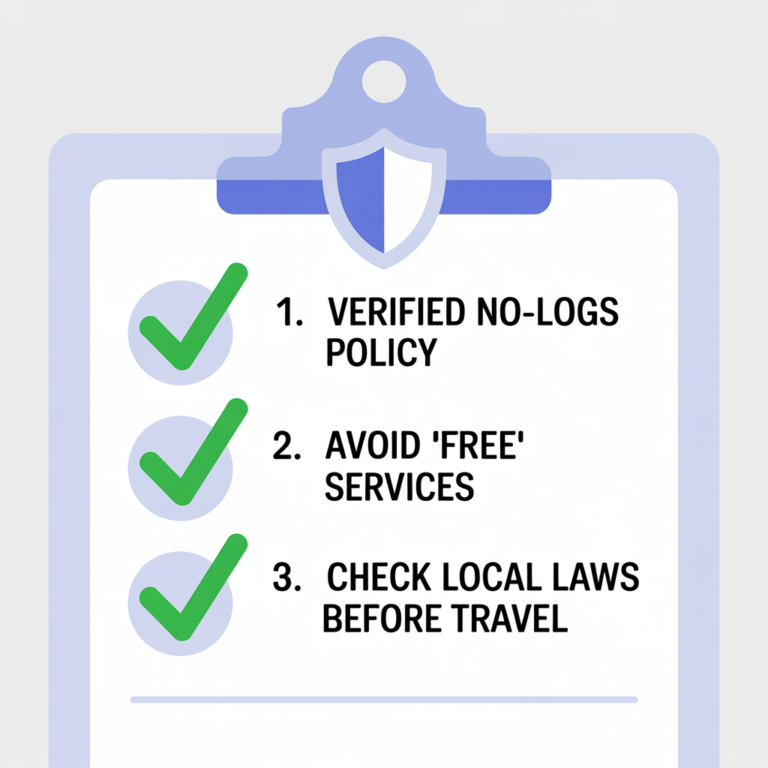
If the answer to is using a vpn legal is “yes” where you live, make sure to follow these guidelines for protecting your data:
- Read the Terms of Service: Make sure your provider has a “No-Logs” policy. If they don’t retain your information to begin with, they can’t be compelled to supply it.
- Stay Away from Free VPNs: A lot of the time, “free” isn’t free and is being used to collect your data (which could be sold) to others.
- Look Up Local Laws Before You Go: Always quickly Google your final destination before you enter a border.
Frequently Asked Questions (FAQ)
Using a vpn legal in US, UK, Canada etc. But some countries, including North Korea and Belarus, outright ban them, while others, including China allow only government-approved providers.
In democratic nations, no. In countries with the strictest networks (think UAE or North Korea) if authorities catch you using an unauthorized VPN to circumvent state-filtered networks, heavy fines and jail time are sure to follow. Be sure to double-check local laws before you travel.
Yes, it is possible but Netflix official terms do not support that. You won’t get criminally charged, but the service might ban your VPN’s IP address or lock you out temporarily.
For open-source files, yes its legal to use VPN for downloading it, though a VPN won’t make a illegal thing like Copyright violation, illegal. If you download a VPN to serve as your cloak for pirating material, it is still considered illegal under digital property laws.
Police can’t see your encrypted traffic, but they can demand “connection logs” if the provider keeps them. This is where a no-logs VPN in a privacy-focused country comes into play – because if there’s no data, there isn’t anything to track.
Verdict: The Future of VPN Legality
The consensus still holds in 2026 that is using a vpn legal for most of the planet. As long as you’re using your VPN for privacy, security, and legitimate bypassing of unfair censorship, and not for something illegal like hacking or downloading copyrighted content you are exercising your digital rights.
From the Editors
The internet has become an essential part of everyday life, but it also introduces new challenges related to privacy, tracking, and digital security. CyberPrivacyGuide focuses on explaining these topics in clear, accessible language to help readers understand how online systems collect data and what risks may arise.
Our editorial approach emphasizes accuracy, neutrality, and transparency so users can make informed decisions about their digital activity.
Transparency Note
In the future, we may review privacy tools and services. Any such content will remain independent, objective, and transparent.
© 2026 CyberPrivacyGuide.com All rights reserved.